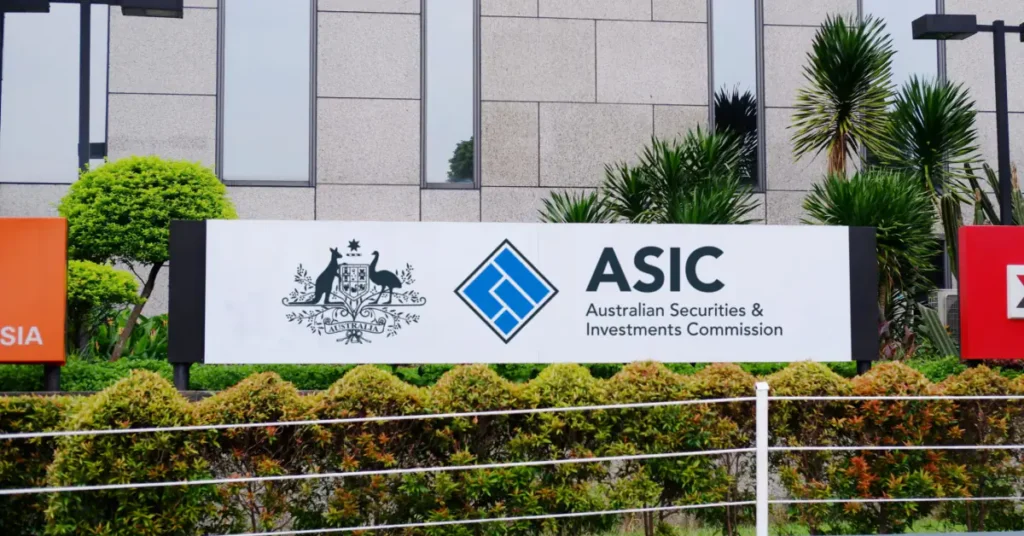
Australia’s securities regulator has expanded the scope for companies to publicise planned initial public offerings before lodging a prospectus, allowing broader communication with retail investors while retaining conditions around disclosure and accuracy. The changes are designed to make IPO communications better suited to modern information channels, including situations where companies need to correct claims already circulating about a potential offer.
Earlier Publicity Must Lead Back to the Prospectus
ASIC’s expanded relief allows publicity for offers of quoted and unquoted securities, including IPOs, before a disclosure document is lodged. Advertisements or statements must identify the issuer and, where relevant, the seller. They must also explain where and when the prospectus will be available, tell investors to consider it before deciding, and direct anyone wishing to acquire securities to the application form in or accompanying the disclosure document.
Those four requirements preserve a clear sequence between awareness and investment. A prospective investor may learn about a company earlier, but the formal offer documents remain central to the decision and application process. The conditions also make the identity of the party offering the securities explicit, which matters when publicity is distributed through intermediaries or abbreviated online formats that can otherwise obscure the original issuer.
“Greater advertising flexibility does not mean fewer responsibilities,” said ASIC Commissioner Simone Constant. “Offerors of quoted or unquoted securities must ensure their advertisements direct investors to the disclosure document and application process and have arrangements in place to keep advertisements or statements up to date. Laws prohibiting misleading or deceptive conduct remain unchanged.” Her statement makes clear that broader permission to speak comes with continuing responsibility for what is said.
Correcting Information Becomes Part of IPO Preparation
One practical rationale is the ability to address misinformation before a prospectus is lodged. A company considering a listing may face inaccurate claims about its business, proposed valuation or timetable. If its ability to respond is too constrained, potential investors can encounter an expanding body of commentary without a corresponding explanation from the issuer. The revised framework gives companies more room to communicate within an accountable structure.
The historical importance of these restrictions is illustrated by Bitcoin Group’s earlier experience with pre-prospectus publicity restrictions. That case belongs to a different period and does not predict the treatment of current offers. It nevertheless shows why permission to publish information before lodgement can be a material part of an issuer’s route towards the public market.
Keeping material current will require more than approving a document once. Offer terms and listing plans can change while older announcements remain accessible. In practice, issuers will need to know which communications are still circulating and whether they remain accurate. The operational challenge becomes greater when the same message appears on websites, in presentations and through other distribution channels, each with different update procedures.
Communication Reform Cannot Create Demand on Its Own
ASIC presents the changes as part of its effort to support the competitiveness of Australia’s capital markets and encourage broader participation. Earlier engagement could help potential investors understand a business before an offer opens, while giving companies more opportunity to explain why they are seeking public capital. However, the reform does not determine the eventual offer price, business quality or appetite for newly listed shares.
The broader policy context includes concerns about the balance between public and private markets. Public listings compete with other funding routes, while investors compare access, liquidity and disclosure. Making IPO publicity more workable addresses one friction in that system. It does not remove the costs of remaining listed or resolve differences between what a company hopes to raise and what investors will pay.
Other jurisdictions have approached the same wider challenge through different mechanisms. The UK’s PISCES framework for private-share trading supports transactions without an immediate public listing. ASIC’s change instead adjusts the communication process around securities offers. The comparison shows that capital-market reform can address multiple stages of a company’s development without making private trading and an IPO interchangeable.
Broader Access Still Requires Product Clarity
Retail investors already encounter various products marketed around companies that have not listed. For example, tokenised notes linked to private companies offer a different legal and economic relationship from subscribing for shares in an IPO. Clear publicity should help readers identify the actual security and issuer, rather than allowing the appeal of a future listing to blur those distinctions.
The change also fits a regulator attempting to combine market development with enforcement. ASIC’s corporate plan sets out objectives spanning licensing efficiency and civil action. The IPO reform reflects that dual approach: reduce an identified procedural constraint while retaining the disclosure framework and the prohibition on misleading communications that support confidence in the market.
The reforms follow Consultation Paper 390 and are reflected in updated Regulatory Guide 254 and the ASIC Corporations (Pre-Prospectus Advertising and Publicity) Instrument 2026/807. Unlike a proposal awaiting consultation, this is an implemented change. The immediate test will be how issuers use the additional flexibility and whether their communications make the later prospectus easier to understand, with material changes clearly identified along the way.
Takeaway: ASIC’s reform allows broader IPO publicity before prospectus lodgement, but requires clear issuer identification, directions to the prospectus and application process, and arrangements to keep information current. Earlier communication may improve retail engagement; its value depends on helping investors understand the eventual offer, rather than substituting promotion for disclosure.