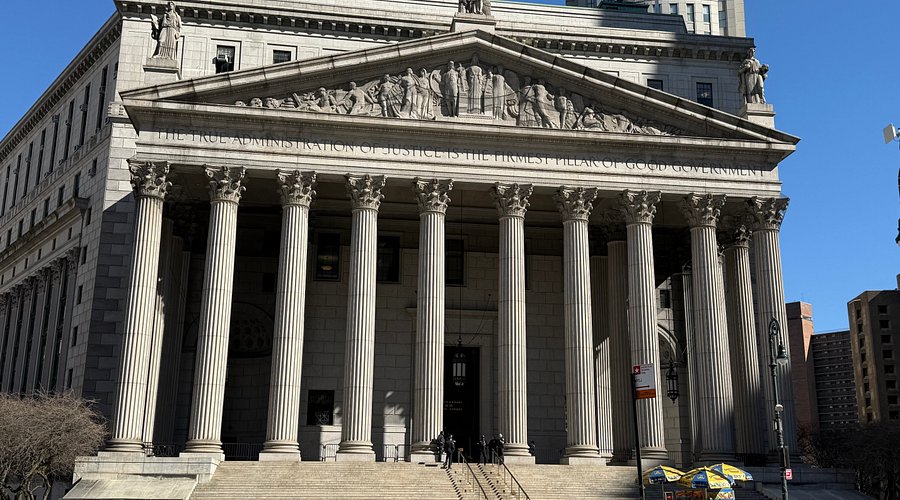
A federal judge in New York has denied Novig’s request for a preliminary injunction against the state, ruling that the prediction market’s sports event contracts are not swaps under the Commodity Exchange Act.
District Judge Colleen McMahon of the Southern District of New York issued the decision on November 10 in Ludlow Exchange LLC v. James, finding that Novig had not shown it was likely to succeed on its claim that federal law overrides New York’s gambling rules. The ruling allows the state to require Novig to obtain a gambling license or to prohibit the listing and trading of its sports event contracts on the platform.
Judge Finds Novig Contracts Resemble Sports Betting
McMahon concluded that the events underlying Novig’s contracts lack the financial, economic or commercial consequences that federal law requires for a contract to qualify as a swap. She wrote that “Novig’s sports event contracts are sports betting.” She also rejected Novig’s preemption claims. Because Novig did not show a likelihood of success on the merits, McMahon did not address the other requirements for an injunction.
Ludlow Exchange, the entity that operates Novig, sued New York Attorney General Letitia James and members of the New York State Gaming Commission in August, a day after Novig launched nationwide. The company argued that the Commodity Futures Trading Commission holds exclusive jurisdiction over its contracts.
The CFTC designated Ludlow as a contract market in June 2026, and Novig began offering sports event contracts to New York customers in August. The court denied Novig’s request for a temporary restraining order that same month. McMahon’s reasoning departs from the approach Judge Analisa Torres took in the same court earlier this year, when she denied Kalshi’s request to block New York’s gambling enforcement on July 7 after assuming without deciding that Kalshi’s sports contracts are swaps.
Investor Takeaway
Judge McMahon found that Novig’s sports event contracts are sports betting rather than swaps and rejected its preemption claims, so New York can apply its gambling laws to the platform.
Novig Ruling Adds to State and Federal Split
Novig has taken the same preemption argument to other states, including Missouri, where Ludlow Exchange filed a separate federal suit against state officials on October 16 in the Eastern District. New York has also gone after Kalshi directly. The state sued the exchange on July 31, seeking to stop it from offering event contracts nationwide and requesting more than $36 billion in damages.
Federal appeals courts remain divided on the swaps question. The Ninth Circuit rejected Kalshi’s attempt to shield its sports contracts from Nevada regulation in August, and the Sixth Circuit concluded in September that they do not meet the statutory definition of a swap, while the Third Circuit earlier ruled in Kalshi’s favor against New Jersey regulators. New Jersey has asked the Supreme Court to review that decision, and the NFL has filed a brief backing the state.
Investor Takeaway
Courts remain divided on whether sports event contracts are swaps, and New Jersey has asked the Supreme Court to weigh in while New York presses cases against both Novig and Kalshi.